How to Get the Fishipedia Achievement in How to Fish (All Drip Creatures)
Updated 2026-09-03
Collection guide for the 'Fishipedia' achievement in How to Fish: how drip variants actually spawn, the rainbow-name rule, the Tab encyclopedia check, and a clean farming order across all five islands.
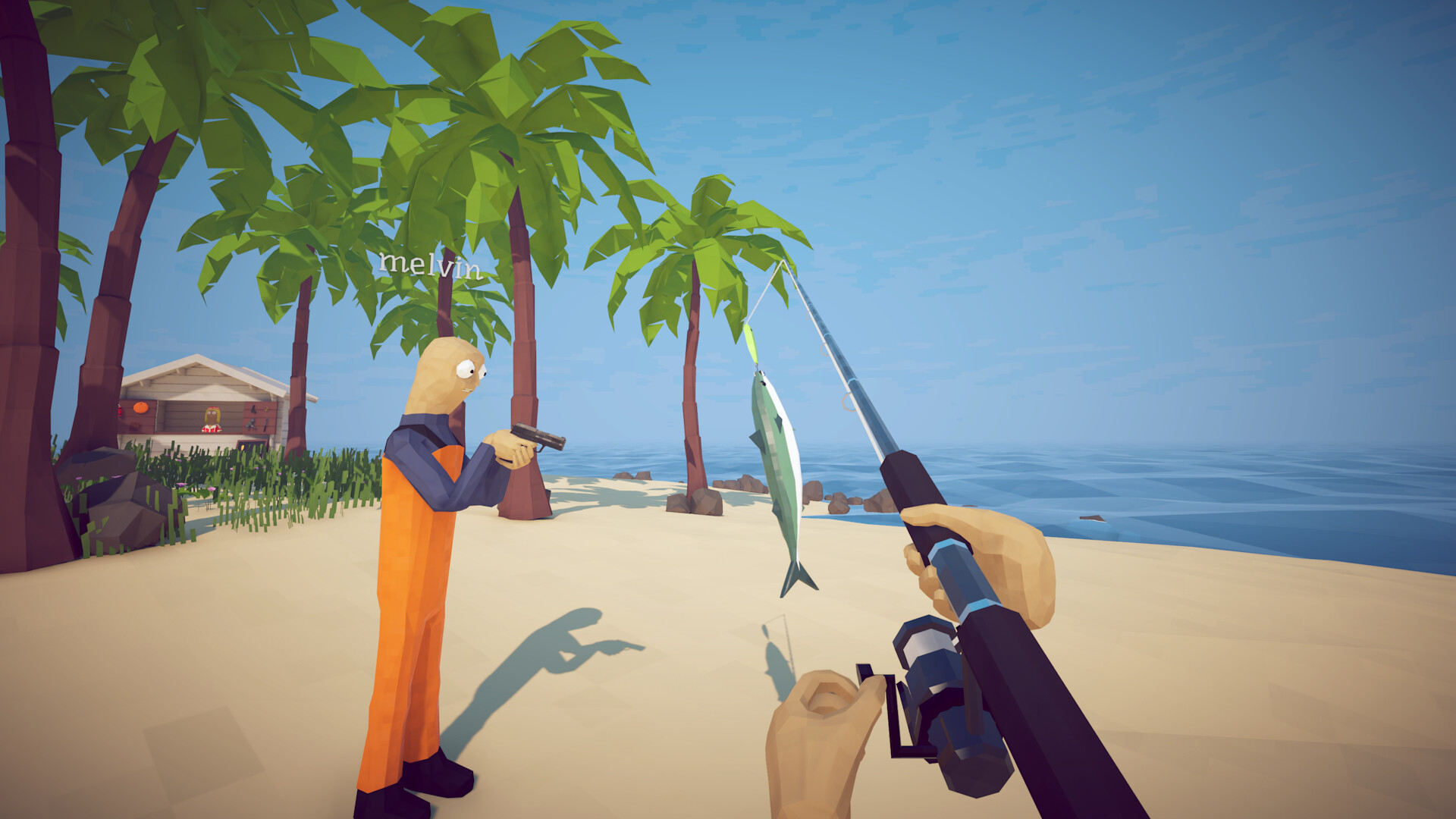
What is the Fishipedia achievement
'Fishipedia' (0.9% global unlock rate, the second-rarest achievement after 'Bean') requires finding and killing every drip creature in How to Fish. Its sibling achievement, 'Collector' (9.3%), tracks the normal creature collection — the two run in parallel: normal catches count toward Collector, drip variants count toward Fishipedia. One does not gate the other.
Does the Drip Voxelfish exist?
Multiple players in two independent Steam discussions report catching the Drip Voxelfish, including a recent reply with an in-game image, so the current evidence supports treating it as a real Fishipedia target rather than a missing entry. Start with the documented normal Voxel Fish setup: the Rocks pool with the Professional Lure. That is a starting setup, not a guarantee that the next catch—or any fixed number of catches—will be the drip variant. Dazed Games has not published a Drip Voxelfish rate, pity counter, exclusive location, or maximum wait. If it remains missing, confirm the open encyclopedia entry, island and lure, note your installed build, and keep the result separate from claims that the game is bugged. Success is the rainbow-name variant registering in the in-game encyclopedia after it is defeated.
How drip variants actually work
Per the KeenGamer drip guide: every regular creature can appear as a rare drip variant. There is no separate drip island, secret fishing spot, weather condition, or exclusive lure. A drip variant shows up in the same pool as its normal creature, on the same island, on the same bait. You know one when you see it: the name renders in rainbow colors and the creature looks unusual. Kill it so the entry registers, then press Tab in-game to check the encyclopedia for what is still missing.
The farming loop that works
Because drip variants share the normal pool, farming is just focused re-fishing with attention: 1. Pick one creature you still need — the in-game Tab encyclopedia tells you which entries are open. 2. Go to its island and use its normal bait (our fish database lists every creature's island and lure). 3. Keep catching that pool, watching every name for the rainbow coloring. 4. Kill the drip variant immediately when it appears so the entry registers. 5. Cross it off and move to the next missing entry. Island order matters for sanity: finish the cheap pools first. The Lighthouse pool (Ham/Hot Dogs) and Desert pool (the $15 Standard Lure) cost almost nothing per cast; save the $500 Scientific Lure pool for last.
What does not work
Save your time on the folklore: there is no confirmed special drip bait, no confirmed time-of-day mechanic, and no fixed spawn location per variant in any public source we checked. If a guide claims a guaranteed drip spot, treat it as unverified. The only documented rule is same island, same bait, same pool — plus patience.
Track it or lose your mind
With 38 regular creatures each having a drip variant, memory is not a strategy. Press Tab in-game for the authoritative encyclopedia state, and mirror it in our Collection Tracker so you can plan routes between sessions. Mark both normal and drip progress — the tracker keeps them as separate checklists, matching how the two achievements count.
Budget and gear notes
Drip variants fight like their normal versions, so killing them is trivial with endgame gear — the cost is casts, not combat. Fund the grind the usual way: cook catches on the grill and sell at the premium, and let the Goblin Shark ($6,200 base per third-party guides) bankroll your Scientific Lure sessions if you have already unlocked it.
Sources & Evidence
Claims are backed by the following sources. Unknowns are marked explicitly.
- Steam Discussion — Does the drippy Voxelfish exist?Community / Tier 2-3Checked 2026-09-03
- Steam Discussion — Catching every drip fishCommunity / Tier 2-3Checked 2026-09-03
- KeenGamer — How to Fish: Complete Walkthrough & All Fish Locations (drip variant rules)Third-party / Tier 4Checked 2026-08-26
- Steam Community Achievements — How to FishCommunity / Tier 2-3Checked 2026-08-26